President Ramaphosa Hails G20 Success: Africa at the Heart of Global Economic Cooperation
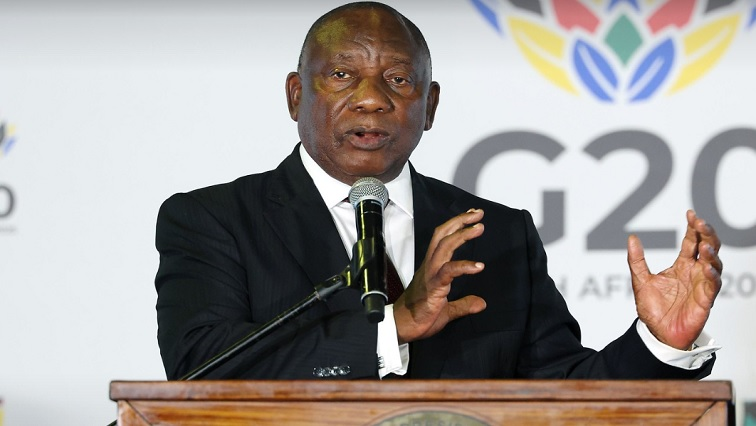
Following the conclusion of the historic G20 Summit, the first ever held on African soil, President Cyril Ramaphosa delivered a powerful summation of South Africa's Presidency, emphasizing its success in shifting the global focus toward the developmental priorities of Africa and the Global South.
Addressing world leaders, international organization heads, and ministers, the President expressed profound gratitude for the support that affirmed the G20's role as the premier forum for international economic cooperation, particularly in a year marked by significant global adversity.
The African Opportunity and G20 Partnership
President Ramaphosa asserted a core principle of his tenure: "The greatest opportunity for prosperity in the 21st century lies in Africa." Recognizing the significance of hosting the summit, South Africa deliberately placed Africa's growth and development at the core of the G20 agenda.
The President stressed that harnessing this opportunity requires a robust and enduring partnership between Africa, the G20, and the rest of the world. This approach, he noted, built upon the developmental agendas of preceding presidencies, ensuring the prioritization of issues vital to emerging economies.
Addressing Global Imperatives and Economic Justice
The summit, convened at a crucial juncture, amplified global calls to action on poverty, inequality, and climate change. Key outcomes from South Africa's leadership include concrete commitments on economic justice and sustainability:
Tackling Debt Vulnerability: Recognizing the growing debt burden as a major hurdle to achieving the Sustainable Development Goals (SDGs), the G20 pledged to extend support to low- and middle-income countries. The commitment aims to foster a "virtuous cycle of reduced debt, higher public investment and more rapid and inclusive economic growth."
Mobilizing Climate Finance for a Just Transition: Progress was made in mobilizing finance for a just energy transition. Leaders pledged to increase the quality and quantity of climate finance to developing economies, strengthen multilateral development banks, and support country-led transition platforms like the Just Energy Transition Partnership (JETP). This commitment is paired with a reaffirmation of energy security, affordability, and universal access, supporting developing nations in their low-carbon transitions.
Disaster Resilience: South Africa successfully introduced the High-Level Voluntary Principles for Investing in Disaster Risk Reduction, calling on the global community to scale up post-disaster reconstruction and strengthen investment in preventing and responding to climate-induced catastrophes.
Commitment to Multilateralism and Future Focus
The President highlighted the successful adoption of the G20 South Africa Summit Leaders’ Declaration, calling it "more than words – it is a commitment to concrete actions." Achieving consensus on the declaration demonstrated the G20's ability to facilitate joint action and reaffirmed a renewed commitment to multilateral cooperation, proving that shared goals can overcome differences.
Furthermore, South Africa undertook the G20@20 Review, aiming to provide a guide for the forum to remain "fit for purpose in an ever-changing world" as the G20 concluded its first cycle of Presidencies.
In closing, President Ramaphosa issued an inspirational call for continued action: "We have laid the foundation of solidarity; now we must build the walls of justice and the roof of prosperity." He urged world leaders to move forward together, leveraging common humanity and partnerships to create a more secure, just, and prosperous world where "no one is left behind."


Comments