Mandate for Action: African Ownership and Local Capacity Central to Scaling Renewable Energy
A New Era of Commitment
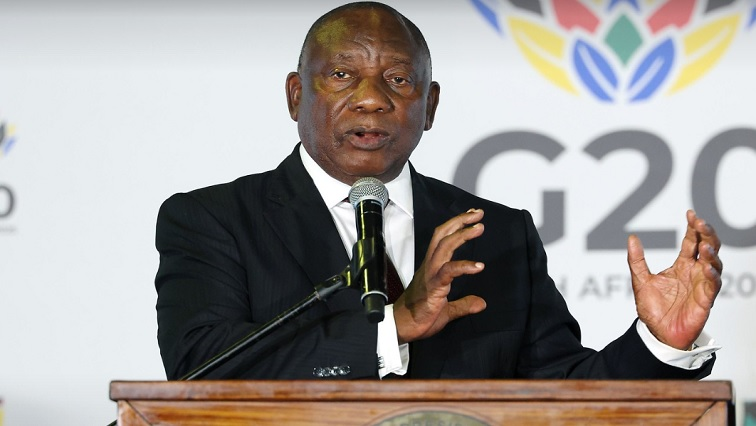
In his closing remarks at the Global Citizen session on Scaling Up Renewables in Africa, President Cyril Ramaphosa lauded the "extraordinary" scale of the financial commitments pledged, affirming their alignment with the global G20 themes of Solidarity, Equality, and Sustainability. The President underscored that while funding is the first step, the real measure of success will be disciplined implementation and unwavering partnership.
South Africa’s Just Transition Model
President Ramaphosa reinforced South Africa's deep commitment to a Just Energy Transition (JET). This national strategy, guided by the Just Energy Transition Investment Plan and the South African Renewable Energy Masterplan, is explicitly designed to be inclusive and equitable. The focus is not only on climate action but also on socio-economic upliftment, ensuring the transition:
Supports affected workers.
Uplifts vulnerable communities.
Strengthens local economies.
Positions young people and entrepreneurs as central participants in building the new energy future.
South Africa currently boasts over 17 gigawatts (GW) of installed renewable energy capacity, with an ambitious target to significantly increase this to 45 GW by 2035.
The Imperative of Localisation and Ownership
A crucial element of the nation’s vision is the localisation of the energy transition. The President stressed that the development of the "next gigawatts" must be driven by domestic capabilities, ensuring they are built through local skills, local manufacturing, and local innovation.
Extending this vision to the entire continent, President Ramaphosa declared that scaling renewables across Africa is essential for inclusive economic development. He concluded with a powerful mandate for sustainability: the energy revolution must be fundamentally rooted in African ownership. This transition is viewed as more than a simple shift in energy sources; it is a profound transformation of African economies, capabilities, and the collective future of the continent.


Comments